In an era where climate change is reshaping our environment, the intersection of political analysis and natural disaster preparedness has never been more crucial. Political analysis provides insights into how government policies and public responses can significantly influence disaster readiness and response. By understanding political dynamics, stakeholders can better prepare for weather-related events and natural disasters. This article explores ten effective strategies that leverage political analysis to enhance preparedness and response efforts. From understanding legislation impacts to engaging communities through local governance, these strategies aim to create a more resilient society. As we delve deeper, it becomes evident that political analysis is not merely an academic exercise; it is a practical tool that can save lives and resources when disasters strike. By fostering collaboration among government entities, NGOs, and communities, we can build stronger frameworks for disaster readiness and response.
1. Understanding Legislative Frameworks
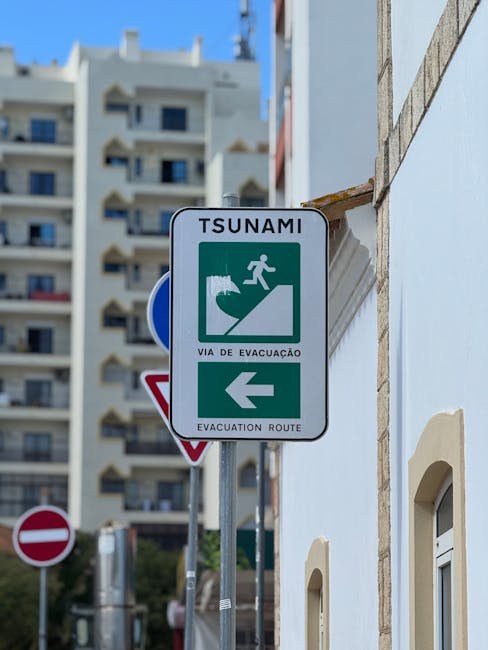
One of the first steps in utilizing political analysis for disaster preparedness is understanding the existing legislative frameworks. These laws dictate how governments respond to natural disasters, allocate resources, and manage public safety. For instance, the Stafford Act in the United States outlines the federal government’s role in disaster relief, including funding and aid. By analyzing such frameworks, policymakers can identify gaps and inefficiencies in disaster response strategies. This understanding allows them to advocate for legislative changes that enhance preparedness efforts. Additionally, engaging with local laws and policies can reveal unique challenges and opportunities specific to regions prone to disasters. For example, in coastal areas, zoning laws can significantly affect evacuation routes and disaster response capabilities. A thorough analysis of these legal frameworks ensures that stakeholders are equipped to push for necessary reforms that bolster community resilience.
2. Analyzing Political Will and Public Sentiment
Political will is a critical factor in disaster preparedness, influencing the allocation of resources and prioritization of emergency management initiatives. Political analysis can help gauge public sentiment regarding climate change and disaster preparedness. For instance, surveys and polls can reveal how constituents view government action on these issues. If public sentiment is strong for immediate action, elected officials may feel pressured to implement new policies or funding initiatives. A prime example is the response to Hurricane Sandy in New York, where public outcry led to significant investments in infrastructure resilient to future storms. Understanding these dynamics allows disaster preparedness advocates to craft messages and strategies that resonate with both the public and policymakers, ensuring that disaster readiness remains a priority on political agendas.

3. Engaging with Local Governance
Local governance plays a pivotal role in disaster preparedness, as communities are often the first responders during a crisis. Political analysis can help identify key local stakeholders, such as mayors, council members, and community organizations, who influence disaster management strategies. Engaging with these local leaders allows for a tailored approach to disaster preparedness that reflects the unique needs of the community. For instance, involving local governments in planning exercises can enhance coordination and resource sharing during emergencies. An example of effective local engagement is the Community Rating System (CRS) under FEMA, which incentivizes communities to implement floodplain management activities. By working closely with local governance, stakeholders can develop more effective preparedness plans and ensure that resources are utilized efficiently during disasters.
4. Building Partnerships with NGOs and Community Organizations
Non-governmental organizations (NGOs) and community organizations are instrumental in disaster preparedness and response. Political analysis can identify potential partnerships with these entities, which often have local insights and established networks. Collaborating with NGOs can enhance outreach efforts, particularly in marginalized communities that may be disproportionately affected by disasters. For example, organizations like the Red Cross provide vital training and resources for community members, equipping them with the skills needed to respond to emergencies. Analyzing the political landscape helps identify which NGOs align with specific disaster preparedness goals, facilitating strategic partnerships. By leveraging these relationships, stakeholders can amplify their impact, ensuring that preparedness initiatives reach those most in need and fostering a culture of resilience within communities.

5. Utilizing Data for Risk Assessment
Data plays a crucial role in political analysis and disaster preparedness. By analyzing historical data on weather patterns, demographic trends, and past disaster responses, stakeholders can better understand vulnerabilities and risks within communities. For instance, data from the National Oceanic and Atmospheric Administration (NOAA) can help predict areas that are susceptible to flooding or hurricanes. This information can inform local governments and organizations in prioritizing investments in infrastructure or emergency services. Furthermore, utilizing Geographic Information Systems (GIS) can visualize risk areas and assist in planning evacuation routes and resource allocation. By integrating data into political analyses, communities can develop evidence-based strategies that enhance their preparedness and response capabilities, ultimately saving lives and reducing economic losses during disasters.
6. Promoting Public Education and Awareness
Political analysis can also inform strategies to promote public education and awareness regarding disaster preparedness. Understanding how to effectively communicate with the public is essential for building a culture of preparedness. For example, political campaigns can be designed to educate citizens on emergency protocols, such as evacuation plans and emergency kit essentials. Social media has emerged as a powerful tool for disseminating information quickly and effectively. By analyzing which platforms resonate most with specific demographics, stakeholders can tailor their messaging strategies. A successful case is the “Ready” campaign by FEMA, which educates the public on how to prepare for disasters. By utilizing political analysis to guide educational initiatives, communities can empower their citizens to take an active role in disaster preparedness, thereby enhancing overall resilience.
7. Monitoring and Evaluating Disaster Response Policies
Finally, ongoing monitoring and evaluation of disaster response policies are crucial for continuous improvement. Political analysis provides the framework to assess the effectiveness of current strategies and identify areas for enhancement. By collecting feedback from community members and stakeholders post-disaster, policymakers can gain insights into what worked well and what needs adjustment. For instance, after Hurricane Katrina, extensive evaluations revealed shortcomings in evacuation plans and resource distribution, leading to reforms in disaster management protocols. Implementing regular reviews of disaster response policies ensures that communities adapt to changing conditions and emerging threats, ultimately leading to more effective preparedness measures. This proactive approach fosters a culture of learning and adaptation, ensuring that lessons from past experiences inform future strategies.
Conclusion
In conclusion, leveraging political analysis for weather and natural disaster preparedness is essential for building resilient communities. By understanding legislative frameworks, analyzing political will, engaging local governance, and building partnerships, stakeholders can enhance their preparedness strategies. Furthermore, utilizing data for risk assessment, promoting public education, and continuously evaluating disaster response policies are vital components of an effective preparedness plan. As climate-related disasters become more frequent, the ability to unlock insights through political analysis will be crucial in safeguarding lives and resources. Together, we can create a robust framework for disaster preparedness, ensuring that our communities are not only ready to respond but also able to recover and thrive in the face of adversity.